Climbing Kilimanjaro: Routes, Days, Park Fees and the Best Time to Climb
How to choose a Kilimanjaro route, why more days means a better chance of the summit, what the park fees add up to, and the best months to climb.
Updated 19 November 2026 · Fees checked against the official TANAPA tariff and the NCAA fee rules (GN 270 of 2018), with 18% VAT included: the same figures our price calculator uses. Fees can change; we confirm them in every quote.
Question about this? Ask the guide who wrote it. Ask on WhatsApp
In short: to climb Kilimanjaro, plan 6 to 8 days on the mountain with a licensed guide and crew, in a dry month (January to early March or June to October). Park fees alone are about $956 per climber on a 7-day Machame climb.
Kilimanjaro is the highest mountain in Africa (Uhuru Peak, 5,895 m) and you can walk to the top without ropes. That is the good news. The hard part is the altitude, and the single biggest factor in reaching the summit is how many days you give your body to adjust.
Kilimanjaro routes compared, simply
| Route | Days | Sleeping | In short |
|---|---|---|---|
| Marangu | 5–6 | Huts | The only route with huts. Gentle path, but on 5 days the fastest ascent, so less time to adjust. |
| Machame | 6–7 | Tents | Beautiful and popular. “Climb high, sleep low” days help you adjust. Busier. |
| Lemosho | 7–8 | Tents | Starts in the west, quieter at first, long and scenic. One of the best for adjusting. |
| Rongai | 6–7 | Tents | From the north, near Kenya. Drier, quieter, good in the rainier months. |
| Northern Circuit | 8–9 | Tents | The longest and quietest, with the most time to adjust. |
| Umbwe | 6 | Tents | Steep and fast. Only for experienced, already-adjusted climbers. |
Our advice: choose 7 days or more if you can. One extra day costs far less than a failed summit.
Kilimanjaro park fees: what they add up to
Kilimanjaro National Park charges every climber a conservation fee for each day on the mountain, a camping or hut fee for each night, and a one-time rescue fee, plus 18% VAT. Worked out per climber:
| Climb | Park fees per climber (incl. VAT) |
|---|---|
| 5-day Marangu (huts) | about $720 |
| 6-day Machame | about $814 |
| 7-day Machame | about $956 |
| 8-day Lemosho | about $1,097 |
The fees are worked out from the published tariff (conservation US$70 per day, camping US$50 or huts US$60 per night, rescue US$20 per trip, all before VAT). Choosing Upper Barafu Camp as the high camp costs more ($118 a night instead of $59). The park can change fees, and routes starting in the west can add small gate or forest fees. These fees are a big part of the price of any climb, so a very cheap quote has to save money somewhere else, usually on the crew’s pay, the food or the safety kit.
Best time to climb Kilimanjaro
- January to early March: clear, a little colder at the top, quieter than the summer.
- June to October: the main dry season and the busiest time.
- April and May: the long rains. Wet and muddy, though Rongai is drier.
- November: short rains, usually showers. Possible with good gear.
Altitude sickness on Kilimanjaro: what actually matters
- Walk slowly from the first hour (“pole pole”). Fit people get sick because they walk too fast.
- Drink 3 to 4 litres of water a day.
- Tell your guide about headaches, nausea or dizziness at once. Going down is the cure, and a good crew will turn back rather than push you.
- Ask any operator, including us, how they check climbers each day and what they carry for emergencies.
Kilimanjaro summit night
You start around midnight from the high camp, walk 6 to 8 hours in the dark and cold to reach the crater rim around sunrise, then Uhuru Peak, then walk down to a lower camp the same day. It is the hardest day of the climb. Warm gloves, a good down jacket and spare headlamp batteries matter more than anything else you pack.
The Kilimanjaro crew and tips
A climb has a guide, assistant guides, a cook and porters who carry the camp. Tipping the crew is expected and is part of their income. Budget for it from the start. The Kilimanjaro Porters Assistance Project publishes guidance on fair tips and on how porters should be treated.
Not climbing? Kilimanjaro day hikes from Moshi
From Moshi you can walk the lower slopes in a day: through the rainforest to Mandara Hut on the Marangu route, or up to the Shira Plateau, with no altitude risk and no need for climbing gear.
Kilimanjaro climbs and day hikes from Moshi
- 1 day1-Day Exploring West Kilimanjaro Naturefrom $144 pp*View trip →
- 1 day1-Day Trip to Mandara Hut (Marangu Route)from $194 pp*View trip →
- 1 day1-Day Trip to Shira Plateau via Machame Routefrom $222 pp*View trip →
- 5 days5-Day Kilimanjaro Climb via Marangu Routefrom $1,819 pp*View trip →
- 7 days7-Day Kilimanjaro via Machame Route Climbfrom $2,395 pp*View trip →
- 8 days8-Day Kilimanjaro Lemosho Routefrom $1,900 pp*View trip →
Ask the guide on WhatsApp A licensed guide in Arusha replies, usually within the hour.
Quick answers
How many days does it take to climb Kilimanjaro?
Five to nine days, depending on the route. Seven days or more gives your body the most time to adjust to the altitude, and that is the biggest factor in reaching the summit.
How much are the Kilimanjaro park fees?
For one climber, about $956 on a 7-day Machame climb and about $720 on a 5-day Marangu climb, including VAT. They are worked out from the conservation fee per day, the camping or hut fee per night and a one-time rescue fee.
When is the best time to climb Kilimanjaro?
January to early March and June to October, the dry seasons. April and May are the wettest months.

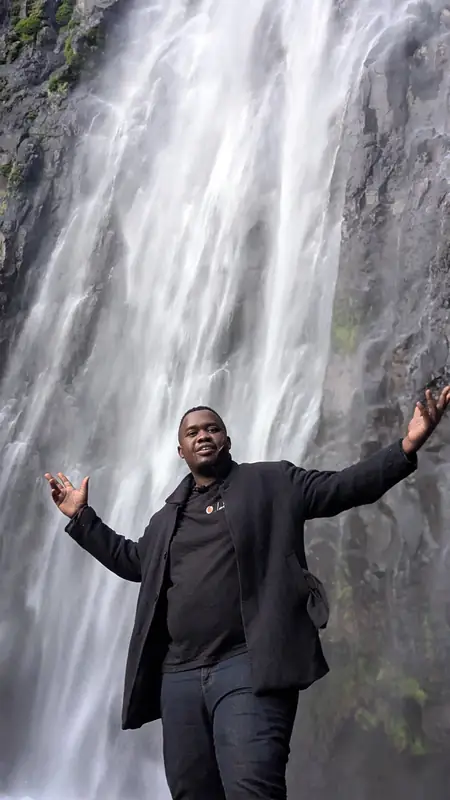
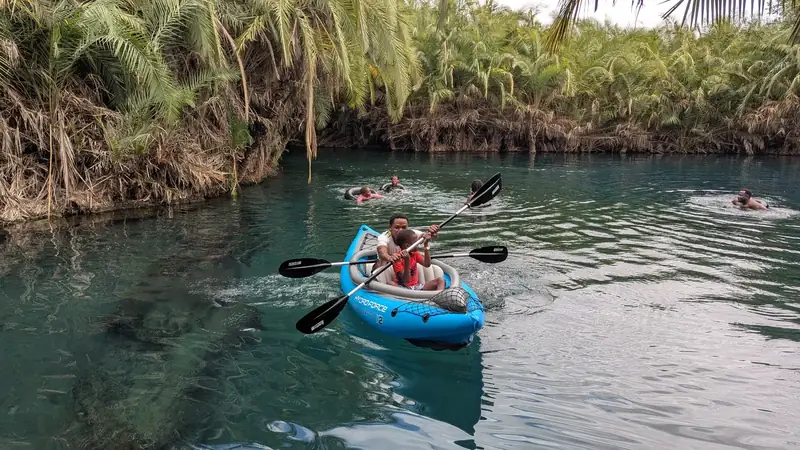
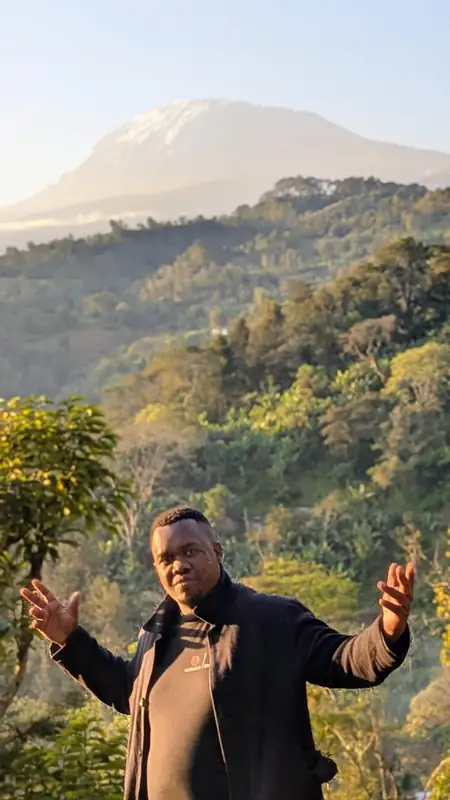
From my trips around Moshi
Real photos, real guests · Shaiya, licensed guide · meet me
Want this built into your trip?
Tell us your dates and we'll plan Tanzania — and the rest of Tanzania — around you.
Plan My Trip WhatsApp Us